
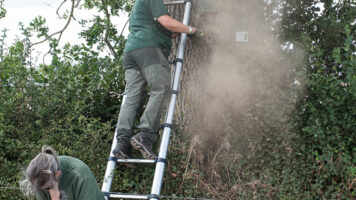
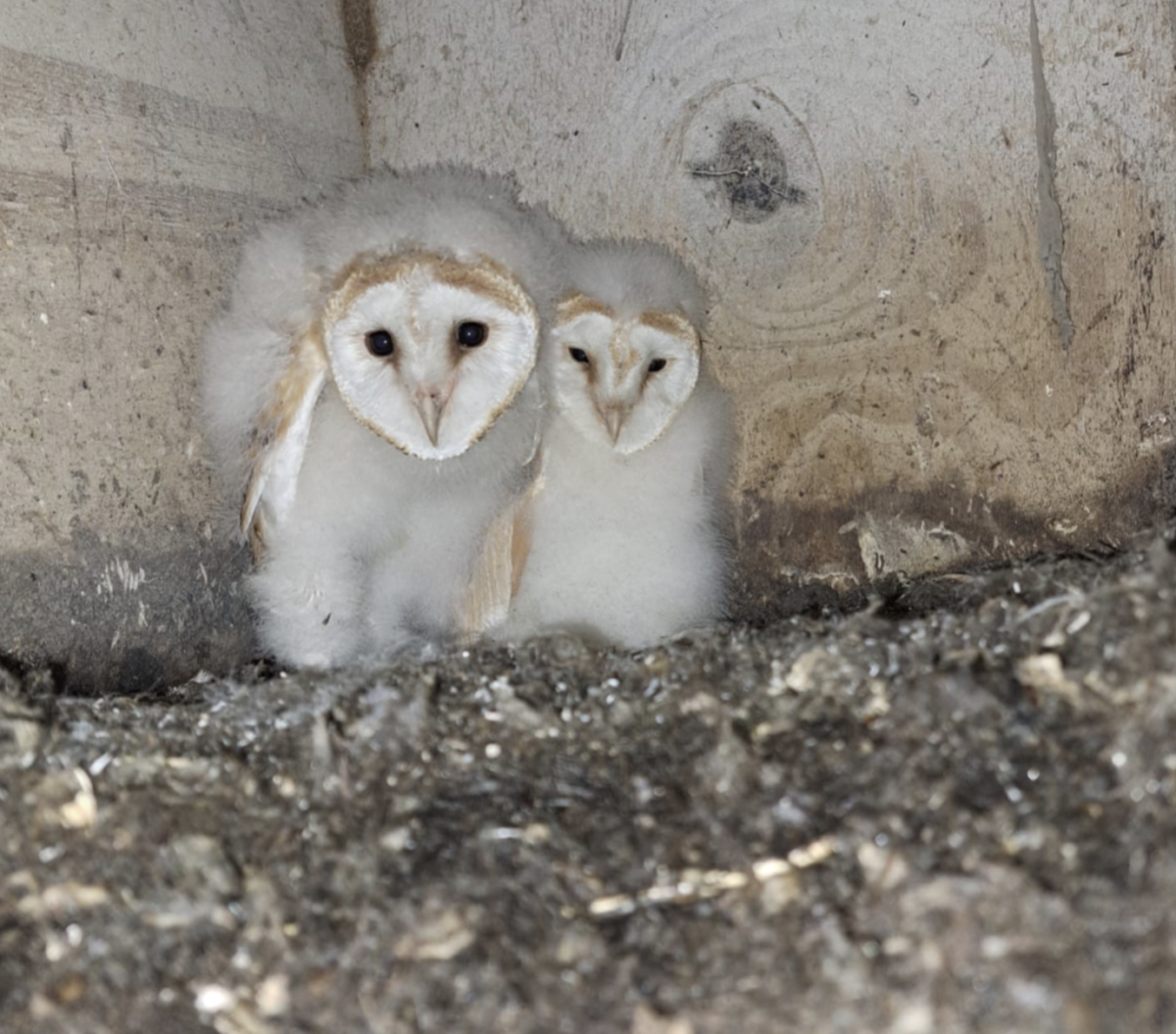
There were two big questions for us going into September
- How would the fledglings from this Spring and Summer have survived the heatwaves?
- Would there be any second broods?
Tempering both was the knowledge that our volunteers were pretty exhausted by the bumper broods earlier this year and that we had limited time to check.
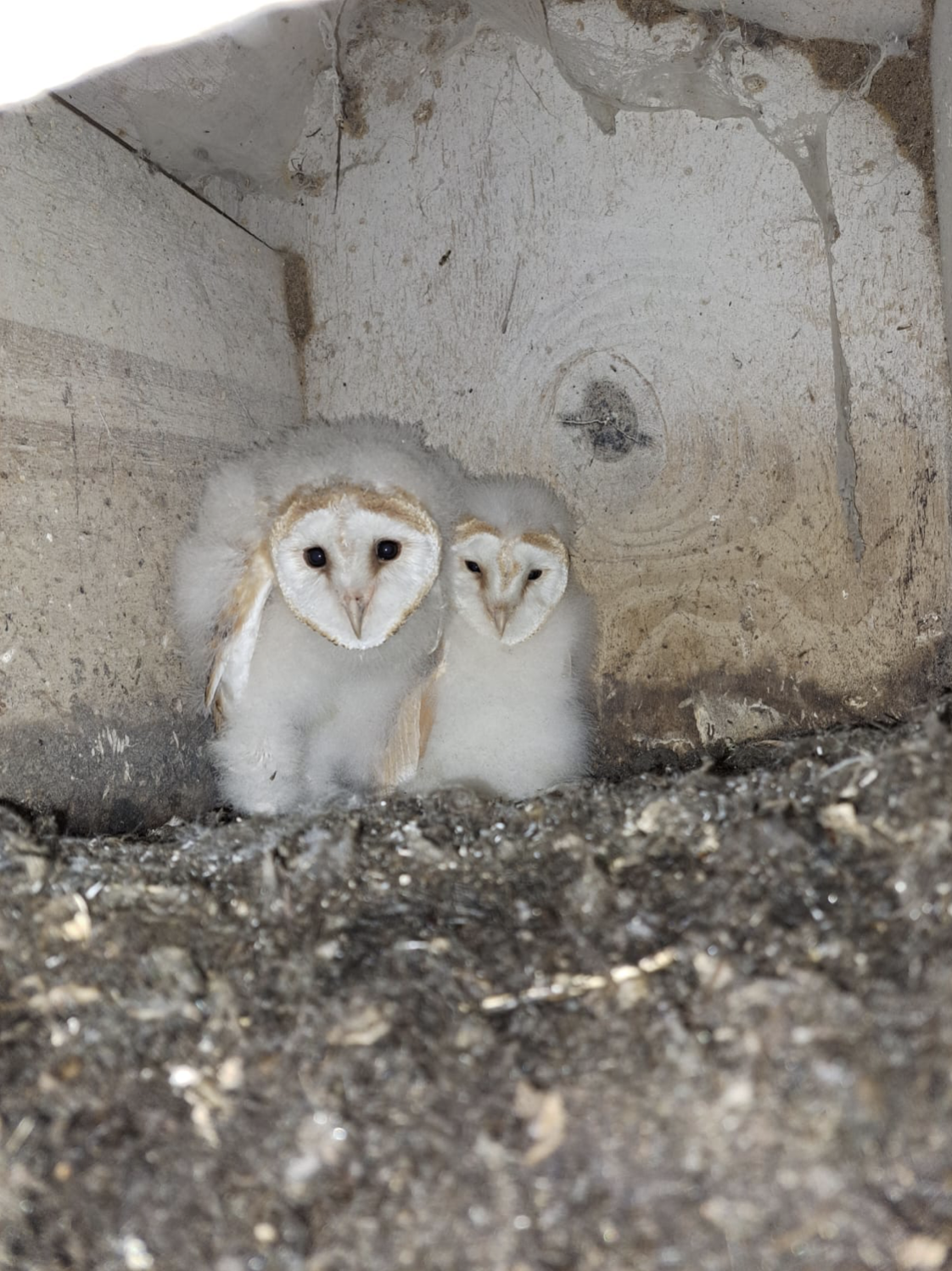
We simply don’t have enough observations to give a statistically meaningful answer to the first question, but we have some partial evidence re Barn Owls.
- Two ringed chicks, both the smallest in their respective broods, were found dead in two boxes near High Wycombe.
- A box near Stone had only one survivor of four chicks; the immediate surrounding area “looked like scorched earth”.
- A box-clearing exercise in the Chess Valley led to finding two young adults (one male, one female), ringed earlier this year, in two separate boxes. Drought survivors!
- Earlier in the year, one box in south Bucks had held a pair of adults and four chicks, of which three were ringed (the fourth was too small to ring). On visiting the box this month we found one ringed chick as a skeleton, so it is probably safe to assume that the smallest didn’t make it either. The adult female was found dead about 1km from the box, so at least 3 of those 6 birds have not survived.
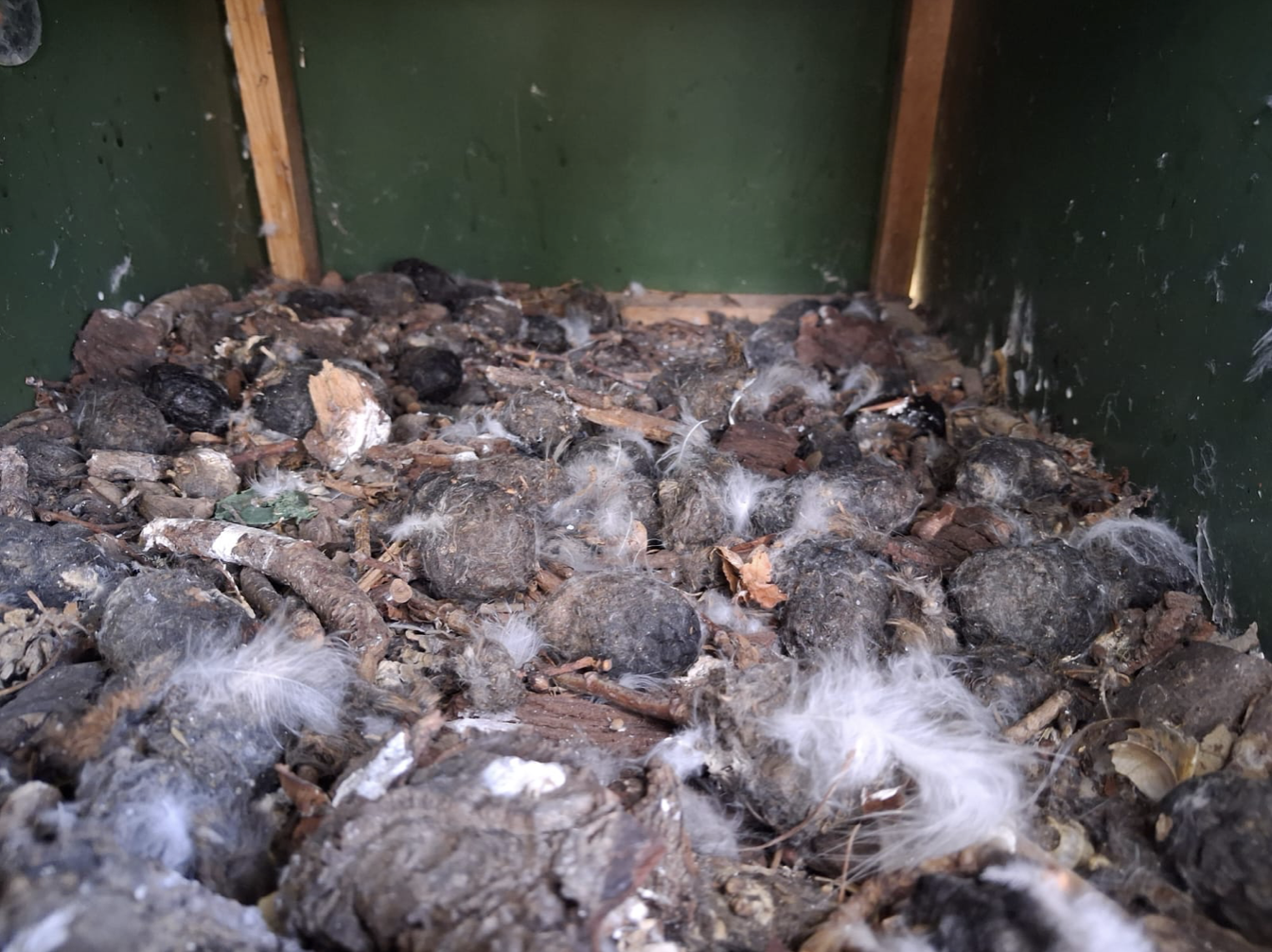
- We have found a couple of boxes, one new and one previously unused, both with signs of roosting (pellets and/or rodent skulls); these might be newly-occupied by this year’s chicks.
So there has been some good news, some bad, but our strong suspicion is that the healthy number of chicks raised earlier in the year will have been seriously affected by the drought conditions the county has experienced over the summer (see for example, here).
Barn Owls (and Kestrels) depend strongly upon the availability of Field Voles as prey. It doesn’t seem a leap to suggest that their reproduction is likely to be affected by drought. We are not experts on this, but given their gestation period is about 3 weeks, and weaning takes another 3 weeks, if their breeding stops during a drought there must be about a 6-week lag before the population starts to rise again… long enough to have predators suffer starvation. It is no doubt more complex than this, but the end result is likely much the same.
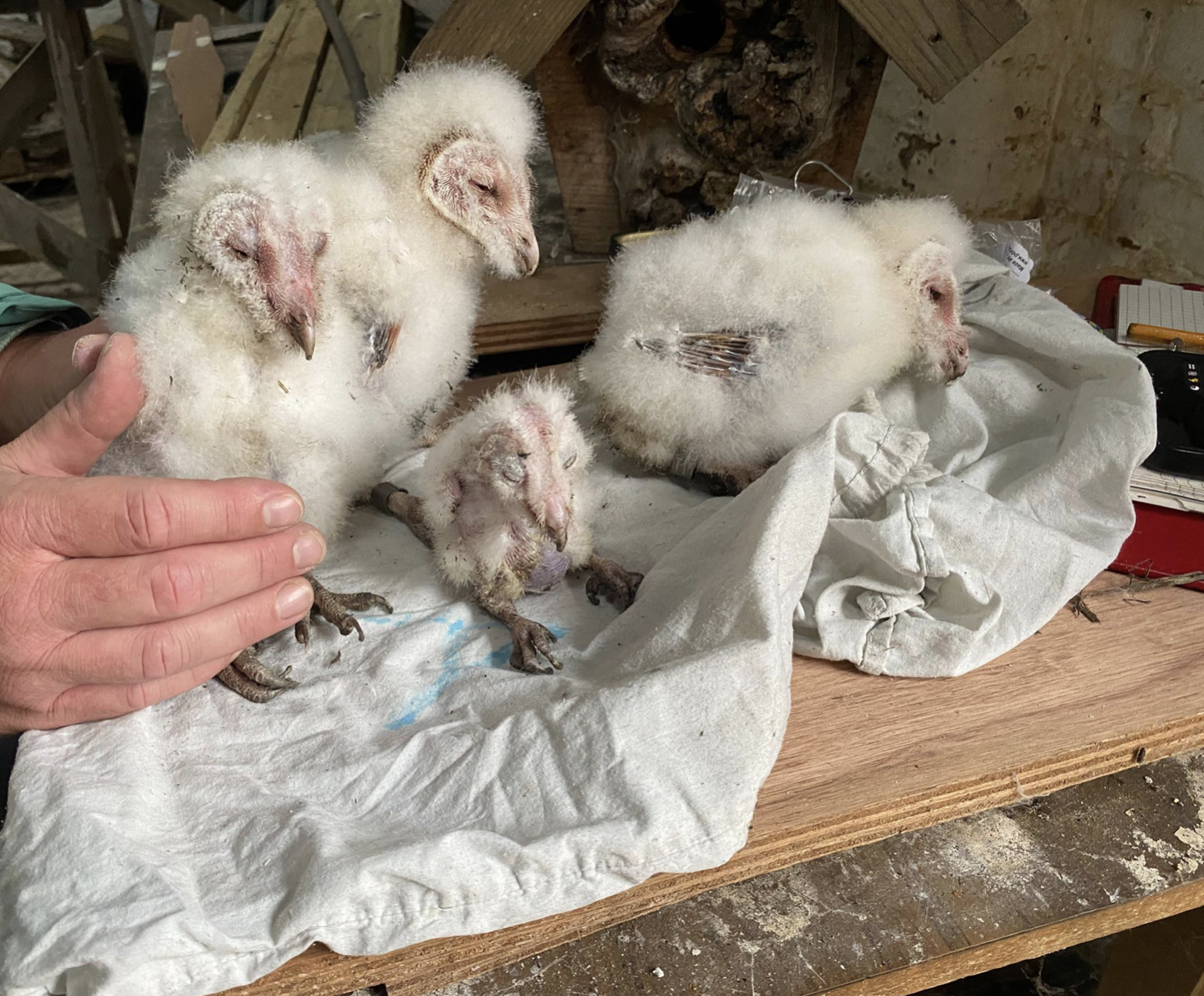
So what of second broods? Barn Owls may attempt a second brood if they have bred early in the year and prey conditions are favourable… the first was certainly true this year, the second not so much. Again, our observations are far from complete, but this month we have seen:
- A second brood of four at Ilmer
- Cold eggs in 2 different boxes
- 3 healthy chicks in one box, probably a second brood
- A box which had previously contained just an adult pair, now with the same male but a different female and 3 dead eggs. Was this a failed brood by this pair or (perhaps more likely) eggs laid by the previous female which either died or was driven off by new female.
- A second brood of two at Padbury
- A single chick ready to fly at Swanbourne
- Chicks in two Chess Valley boxes late in the month, likely second broods.
The good news is that there definitely have been some second broods, though others appear to have tried and failed.
This has all been about Barn Owls, but of course that’s not all we have seen this month.
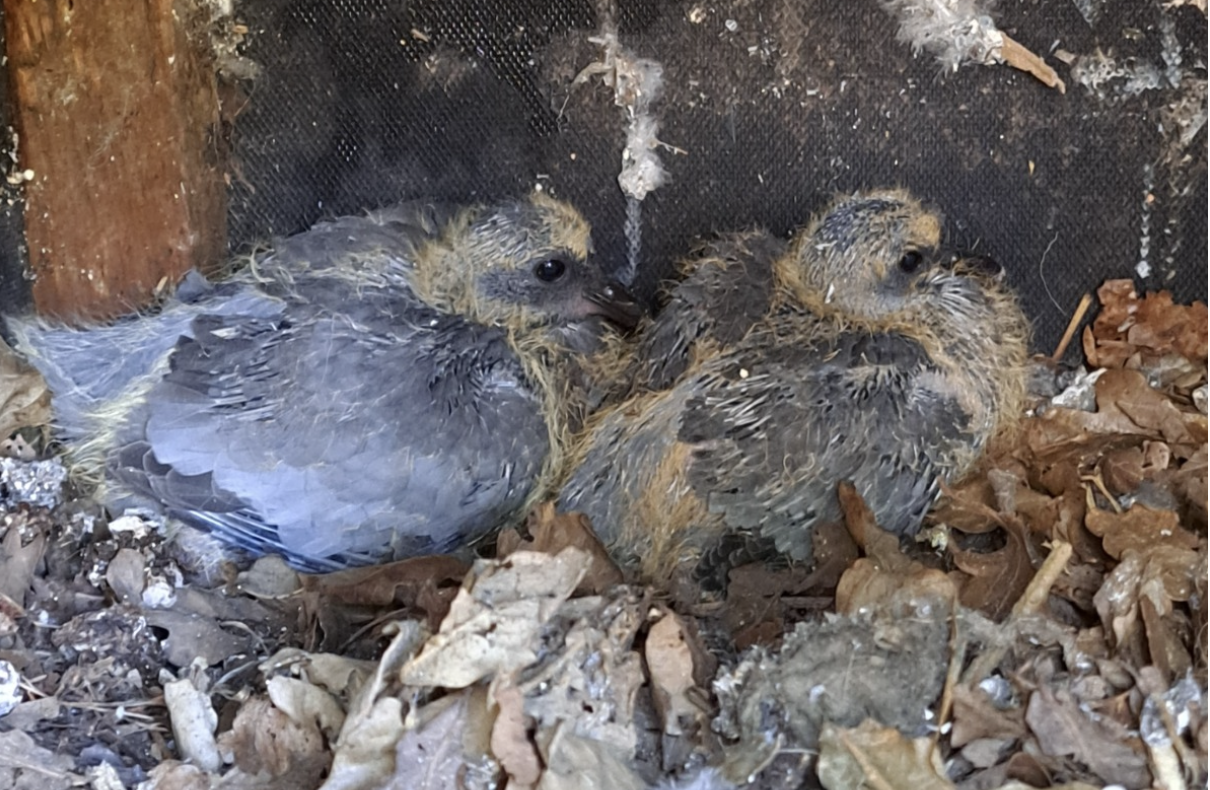
- Plenty of Jackdaw and Stock Dove activity, including second broods of Stock Dove (they seem to keep going throughout the summer!)
- Ringing recovery of a (dead) Jackdaw at Aston Abbots – maybe not very exciting to owl enthusiasts but it’s all good data
- A rehabilitated Tawny Owl released late last month still in evidence around the box in which it was released almost 4 weeks later. A previous blog discussed the uncertainties we have regarding the success of rehabilitation, so this is a big plus.
Activity for the year now moves largely into maintenance mode: box construction, installation and clearing out of boxes ready for next season. We have been compiling a list of requests for new boxes, which currently lists about 40 Barn Owl boxes and single figures each for Tawny Owl, Little Owl and Kestrel. That’s almost as many as our mammoth catch-up over last winter, so there is plenty of work to be done. Excitingly, we also have a request for another Peregrine platform – maybe more on that in a future blog.