Wow, what a month. We’ve all of us been aware of how bad a year our Barn Owls, and other species, had in 2025, and have been hoping for an improvement. It has been delivered. In two days towards the end of May, I saw more barn owl chicks, from just two nest boxes, than the whole group encountered last year. Phenomenal.
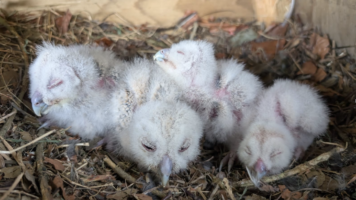
But first… publishing deadlines (and my sloth) being what they are, last month’s blog was completed about a week before the end of the month. In that time, in visits across the county we ringed about a dozen Tawny chicks, came across about ten Barn Owl boxes occupied with eggs or chicks and found a Kestrel on four eggs in a Tawny Owl box. We also noted good-sized caches of food in many boxes – including a half-eaten frog in one – which must reflect a good rodent population this year. What a week.
In one case, as they approached, Mike & Miles saw two Mandarin Duck exit a Barn Owl box which, upon further examination, proved to house an adult male Barn Owl, which they retrieved and ringed. We have seen Mandarins in our boxes on a handful of occasions, but never before in communal occupancy with an owl; we can only guess the occupants were still battling for supremacy.
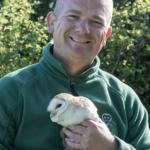
During a long day out at the end of the month, Lynne retrieved two adult Barn Owls from a tricky-to-access box (literally one in each hand!) which allowed Mat to ring his very first Barn Owl (pictured). This was only a couple of days after he had completed the London Marathon, which he ran to raise funds for the RSPB, so a pretty memorable time for him!
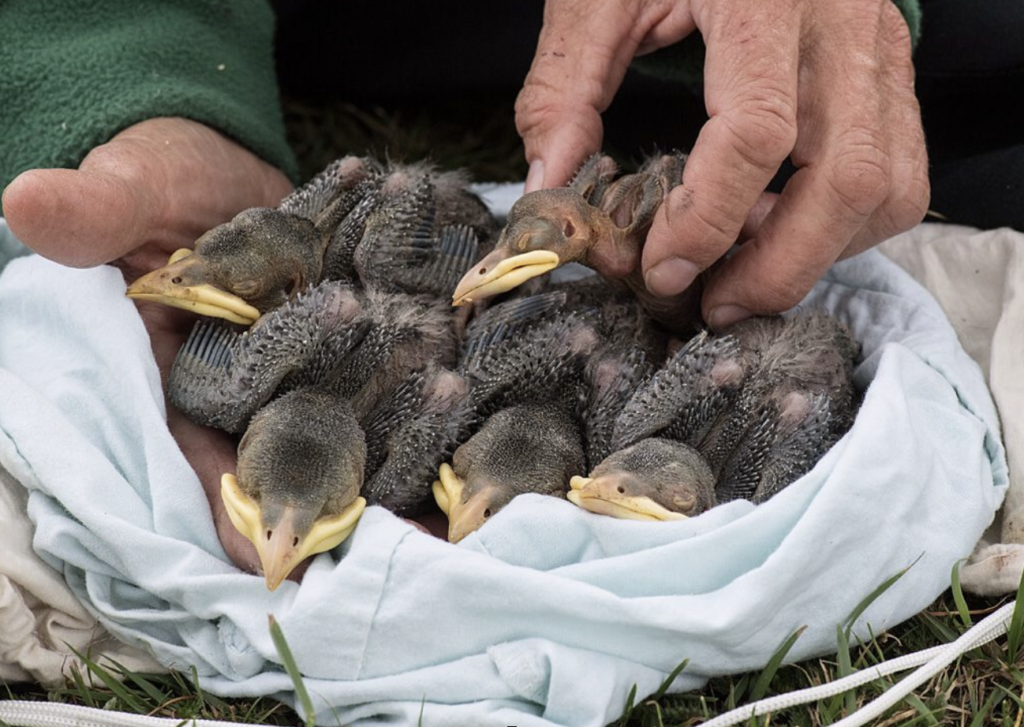
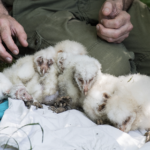
During May itself, our attention turned increasingly from Tawny to Barn Owls, but nevertheless we found and/or ringed a dozen more Tawny chicks. We found over a dozen Barn Owl boxes with eggs and/or chicks, including one box with six chicks and two separate boxes with seven chicks apiece. Concerningly, we had a report about 10 days after visiting the first of those (in which the chicks were too small to ring) that an adult Barn Owl had been found dead nearby, so it remains to be seen whether that brood survives. Of the second brood of seven (pictured) we were able to ring five, the others being too small.
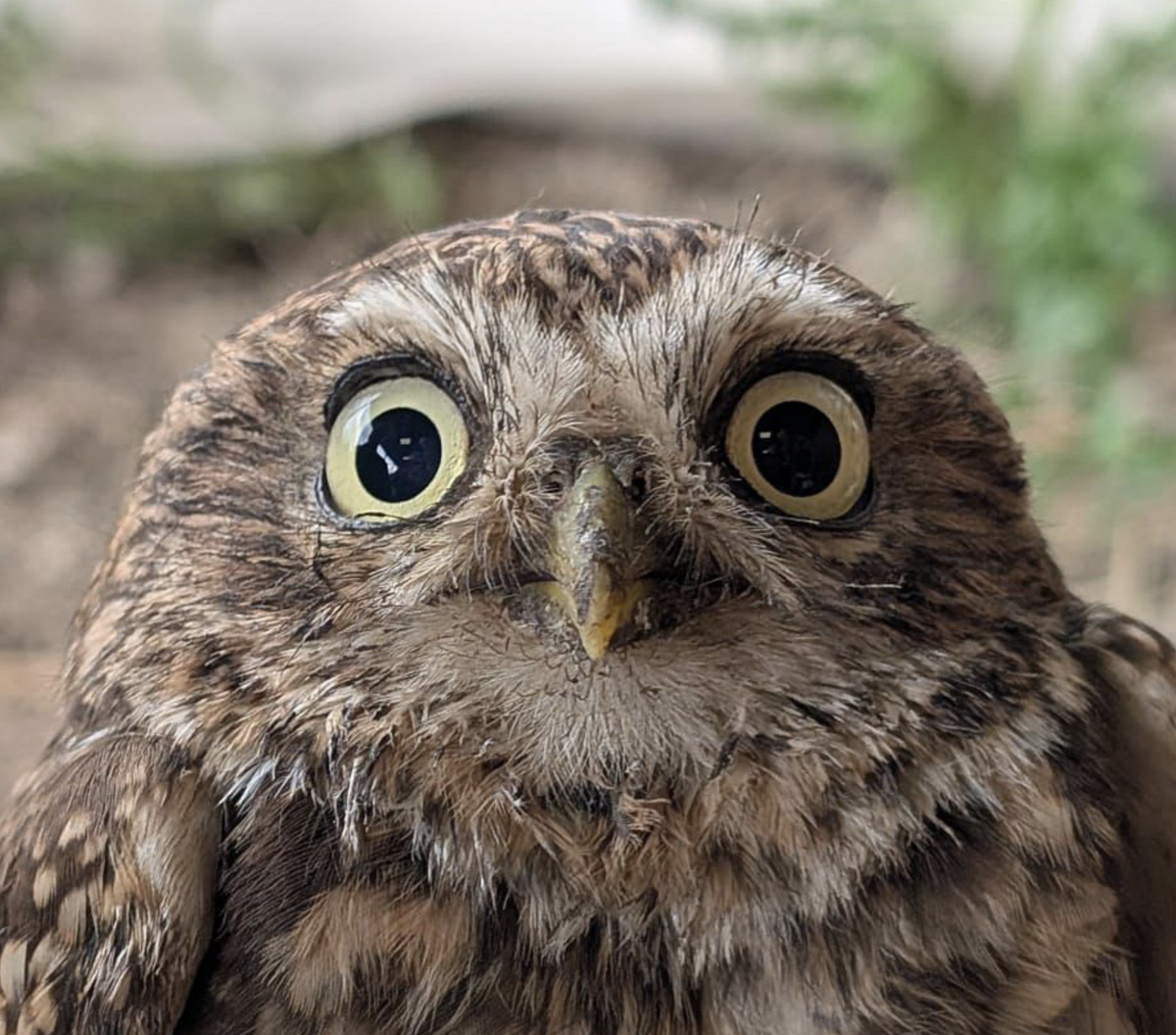
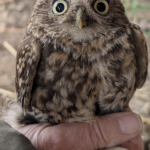
Of the species we regularly monitor, Little Owl is the most at risk. Hearteningly we have visited four active boxes this month, one with five eggs and, surprisingly, a cached Yellowhammer as prey, and others with an aggregate of 12 chicks. While Barn Owls often take the headlines – we have about as many boxes targeting them as the rest of our boxes put together – there are several group members who have a particular soft spot for Little Owls (one pictured). Darn, they’re so cute! The owls, that is.
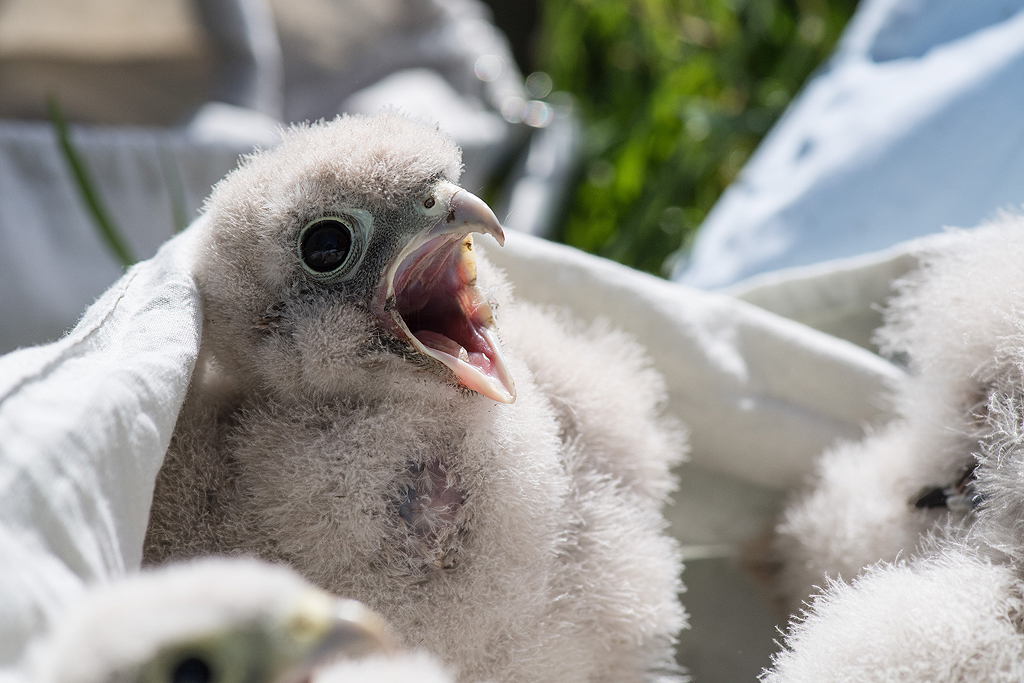
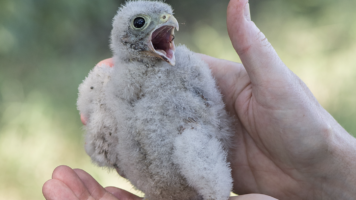
To complete the round-up, it’s been a pretty positive month for Kestrels too – eight active nests found (one pictured), with an average of 5 eggs or chicks apiece, including four chicks ringed so far.
Of course we’ve also found other box occupants along the way: Jackdaw, Stock Dove, Grey Squirrel, Great Tit and Bumble Bee. Toby not only retrieved and ringed an adult Jackdaw from one Barn Owl box – a tick for his ringing list which brought a huge smile to his face – but, when after replacement it exited the box through a still partially-open door, he caught it by reflex, perfectly safely, while still on the ladder. Skills! We also found healthy broods of Jackdaw chicks (one pictured) on both levels of a combination box targeted at Barn Owl and Kestrel – multi-storey living!
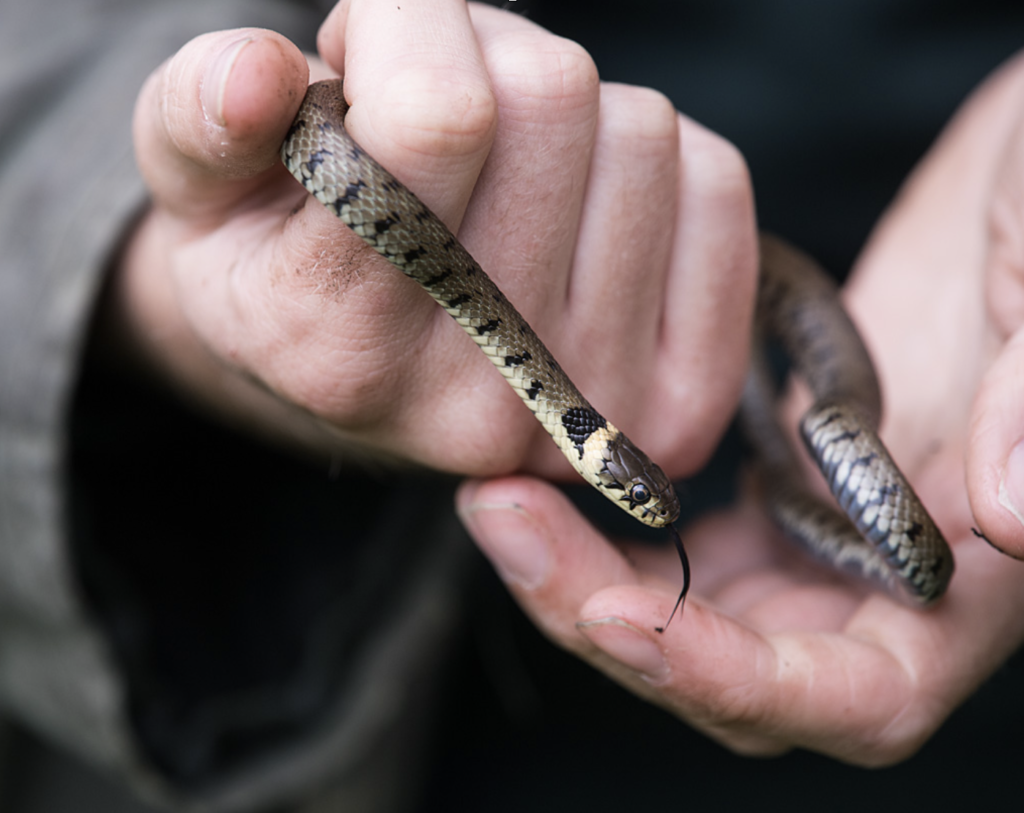
In a special day out Toby, Karen & I visited Stowe to monitor their boxes. While the avian occupants were a little thin on the ground, we were treated by a member of the National Trust team to a tour of corrugated iron sheets which turned out to play host to so many Grass Snakes (one pictured) we were simply unable accurately to count them – something in the region of 15-20, I would guess.
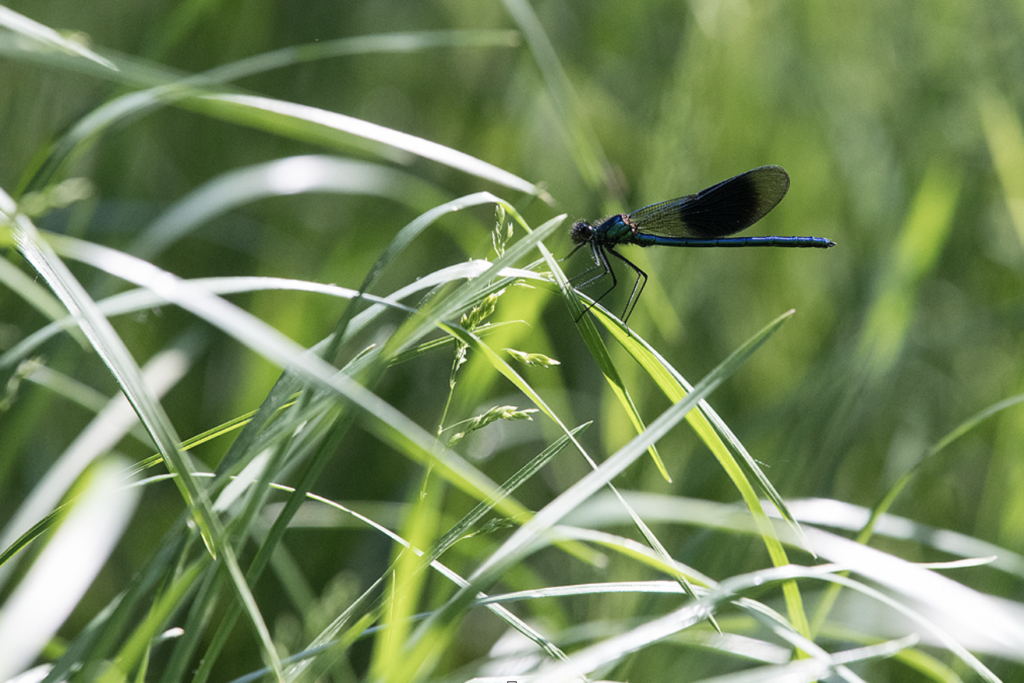
This was one of the (many!) privileges we have as a group doing what we do. While of course we have the superb benefit of seeing and handling the birds we support, we also get the serendipitous rewards of spending time out of doors in the wilder parts of the county. This month alone I have seen buttercups outlining ridge-and-furrow on an organically-run farm; a superb poppy field which made us pause to take photographs from the Land Rover roof; a fox running away about 15m from me as I rounded the corner of a hay meadow; several species of demoiselles, including male (pictured) and female Banded Demoiselles, around bodies of water close to boxes; too many butterflies to identify; Linnets singing close to a box; crows mobbing Red Kites; Chinese Water Deer … almost too much to list.
It can be hard work in this peak season for us – several group members have done 10-hour shifts (plural) already this month, and several days have been very hot, but the personal rewards are an insight into the countryside which, I hope, make it all worthwhile. Roll on June…!