
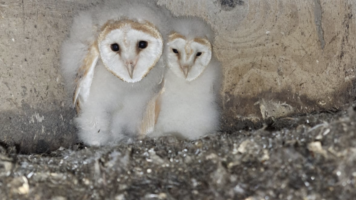
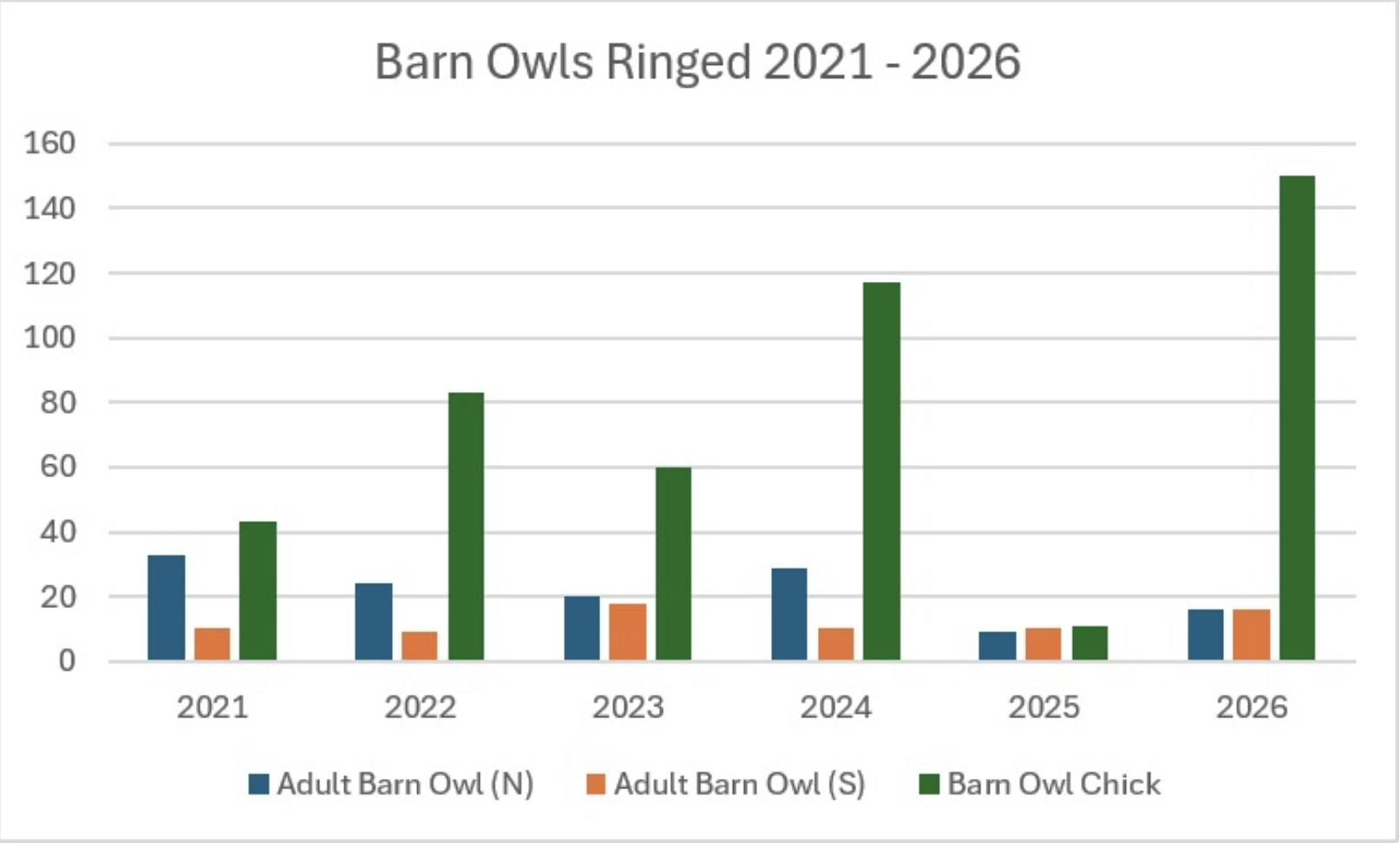
This will be my last blog for 2026 – normal service will be resumed in Spring 2027 – so it seems like a good time to take a first look at some summary Barn Owl data for the year in the graph pictured (thank you Martin for compiling it). While these are not the final official figures, this initial draft summary makes for interesting viewing. Data always need to be interpreted with caution, but perhaps the most impressive fact to emerge is that after ringing only 10 Barn Owl chicks in 2025, our worst year ever, the team have ringed about 150 in 2026. It is definitely not the case that we weren’t trying last year! As mentioned in last month’s blog, the summer drought will doubtless have reduced those numbers, but a fifteen-fold increase is significant by anyone’s standards. What a year.
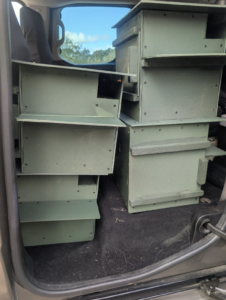
We are very lucky to have a box-builder extraordinaire in our volunteer, Nick. Over the past few years he has continually developed our box designs, making them both quicker to make and easier to mount and access in the field.
This month his attention has turned particularly to Little Owl boxes. Little Owls like a dark enclosed space to nest, ideally with an indirect entrance; the boxes contain a small “tunnel” inside. We’ve seen some evidence of Little Owls strongly defending their space against intruders and this design may well help with that.
The Little Owl is not native to the UK, having been introduced in the nineteenth century. Unlike several introduced species, it is generally not considered “invasive” as it doesn’t significantly compete with native species, and is present in relatively small numbers.
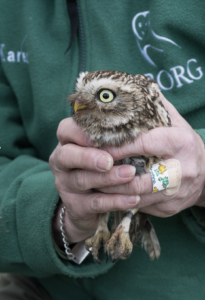
It’s also fair to say that its characteristics make it much loved by many, including by several of our volunteers. It is the least numerous of the four species we support, and the population of insects on which it largely relies for prey has been seriously reduced over recent decades. If a healthy population is to survive, The Little Owl needs our help. The picture is from May this year, of an adult female from a box we manage at Chearsley.
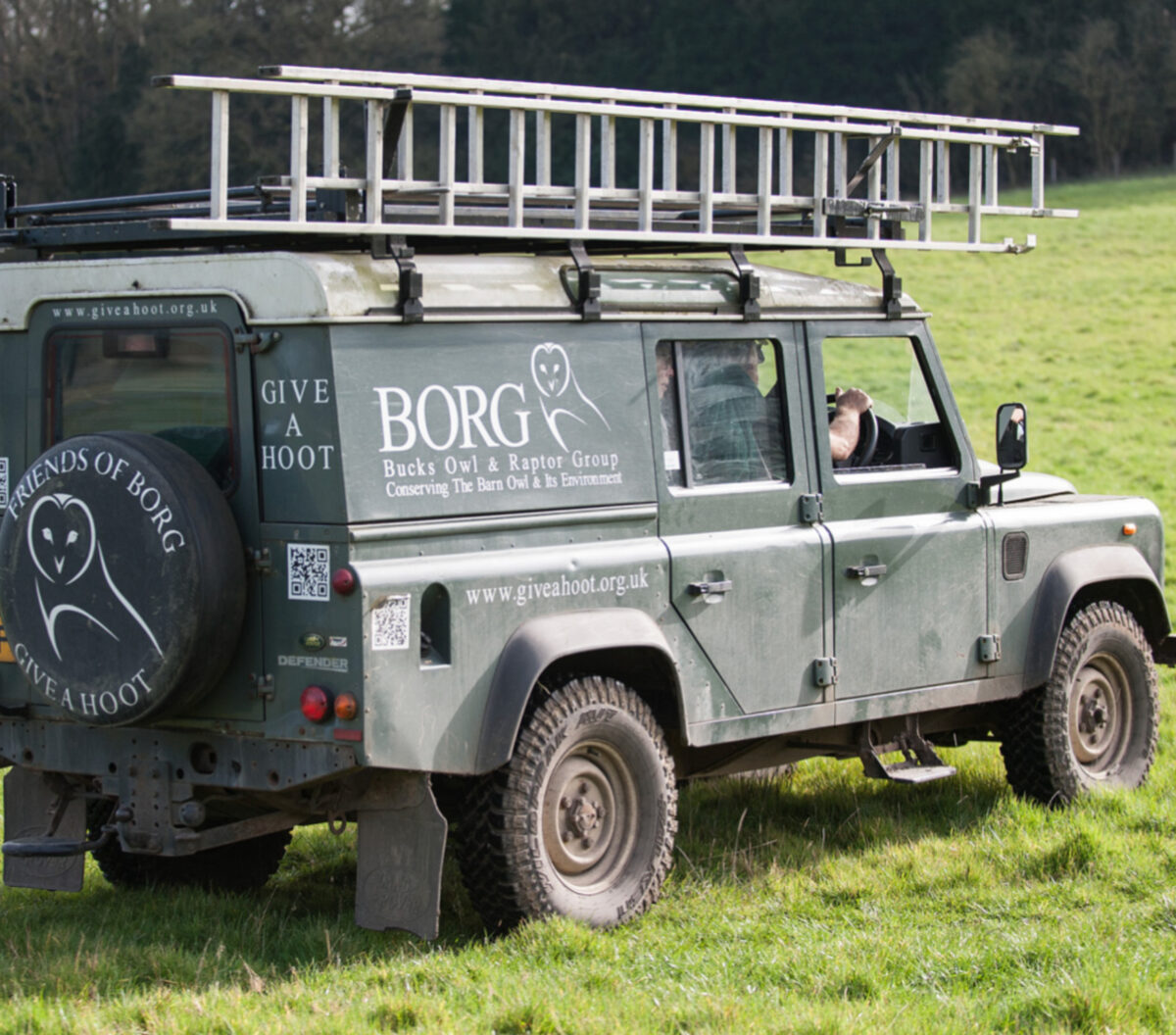
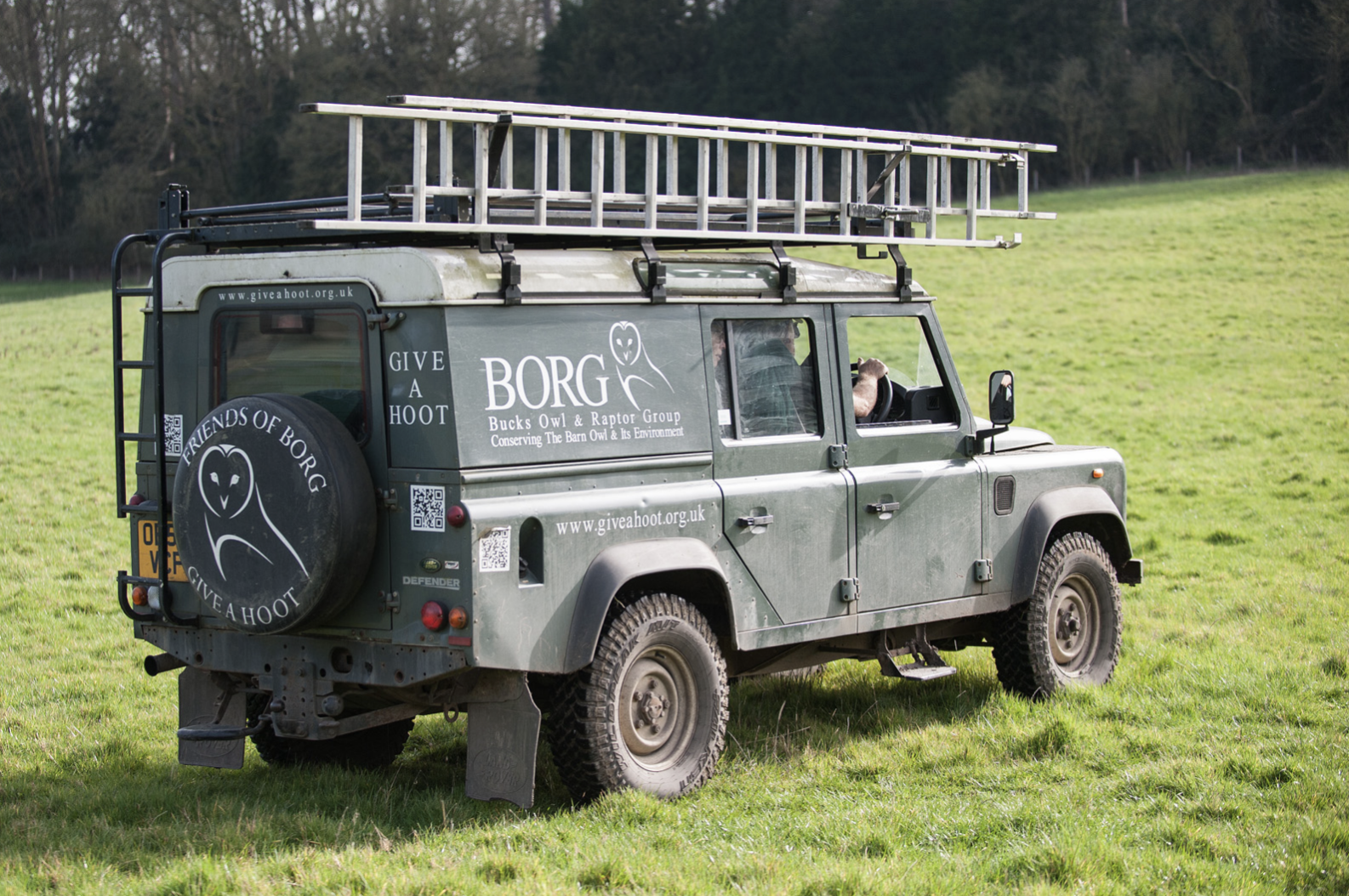
We clearly have another job this winter. Our trusty Land Rover has had ongoing problems with its engine for some time now; it loses power intermittently, apparently due to an underlying problem with the turbo-charger. We thought we had fixed that earlier in the year, but it has recurred so she is back in the garage. We have high hopes; the first-rate team at Alex Engineering in Long Marston have looked after her for many years, quite literally going out of their way to help on more than one occasion. The Land Rover is a key tool for the group, whether it be getting access to a remote spot, carrying our longest ladders, several volunteers, owl boxes and tool-kits, using the roof as a platform for box access or simply being the vehicle for our display at the County Show; she has become a recognisable and essential asset. We often return to the debate about whether it is better to keep servicing her or whether we need a new vehicle; so far the former has won, but of course if there is any angel out there who would like to donate a suitable replacement, we’d be delighted to hear from you…
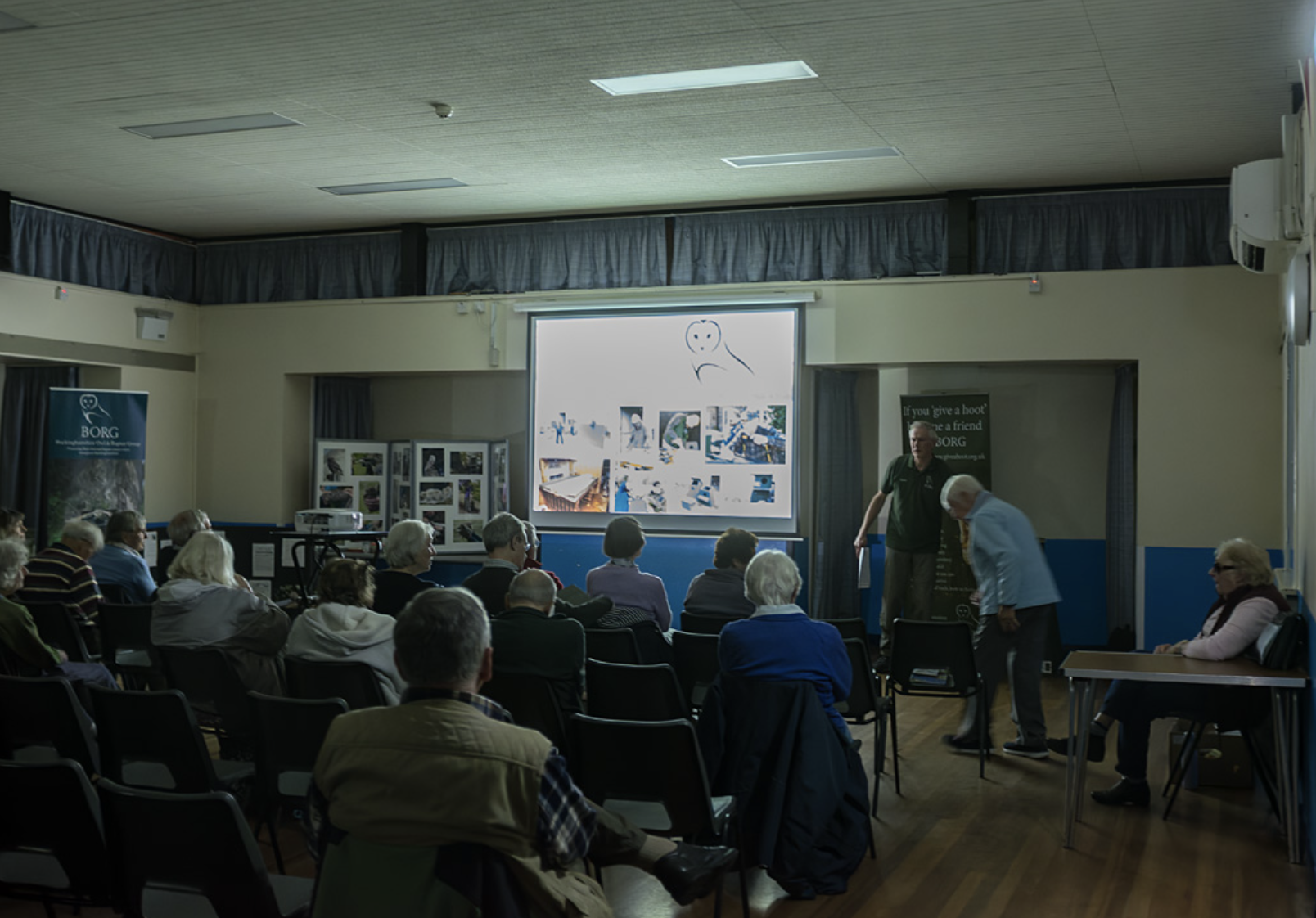
We are occasionally able to present our work to interested groups, in return for which we usually ask for a small fee to plough back into our running costs. The picture shows a presentation from last year, but this month it was Toby’s turn; he gave a talk to the Downley Gardening Society (their Facebook group is here) which was very well-received. We can’t promise to honour every request – we are a small group and not all of us are comfortable standing up in front of an audience – but if you would like us to come and talk about our work to a group of which you are a member, please do get in touch.
I will take a break from blogging for now, and in the meantime wish you all the best for the winter months and the festive season ahead. Happy owling!